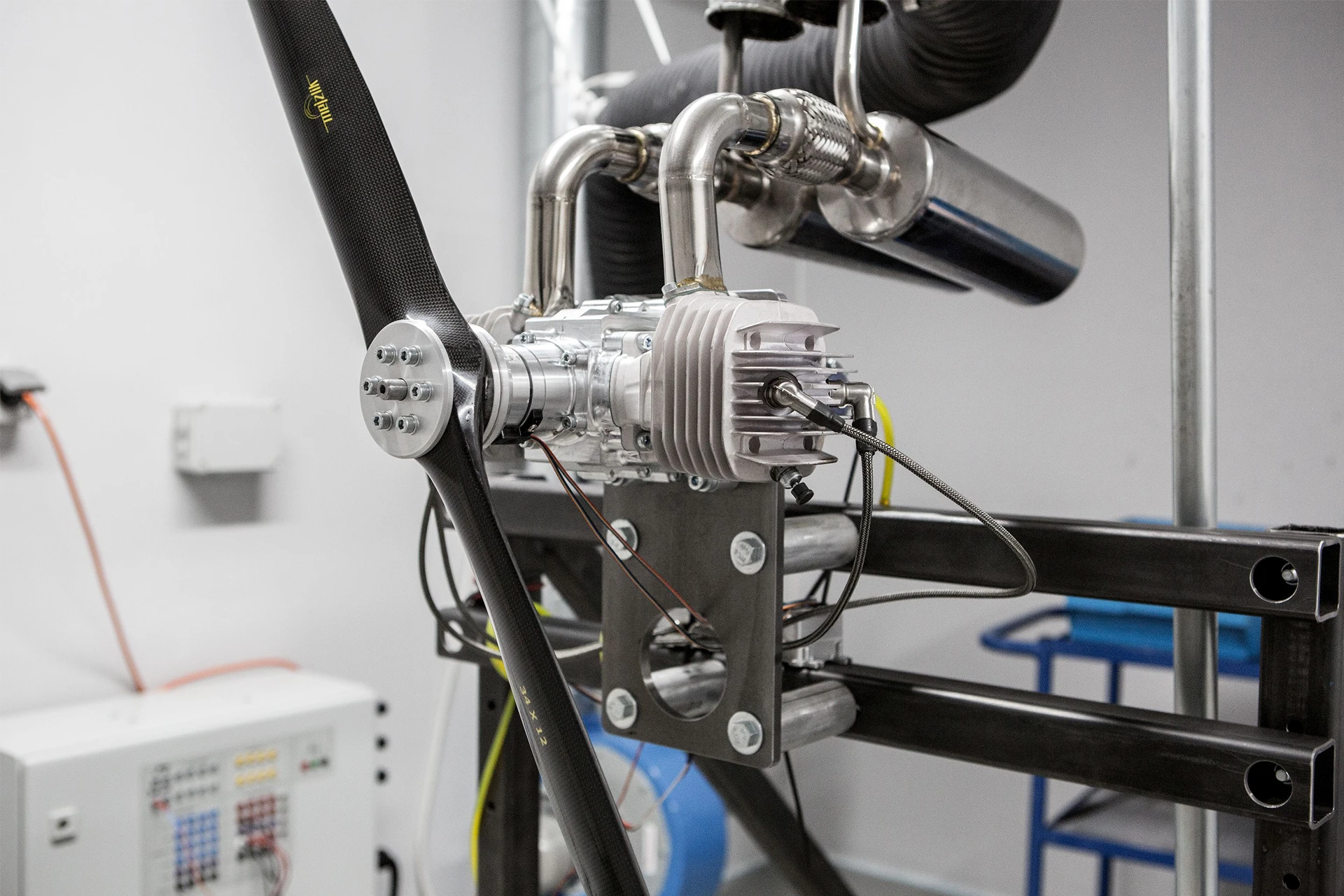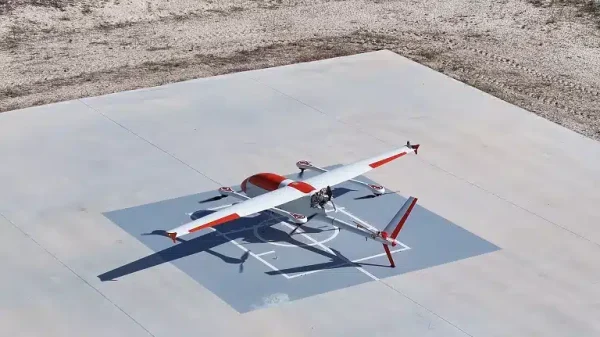

The propulsion system is the literal heart of every UAV. Without a functioning engine, every mission ends abruptly. Regardless of how high-quality the gimbal, sensors, autopilot, or communication systems are, without reliable propulsion, every UAV will come down.
Nevertheless, this critical system component is often underestimated in practice. While payload and gimbal are often the most expensive individual components and the system architecture receives the most attention, compromises are often made regarding the engine for cost reasons. The consequences can be serious: project delays, cost increases, customer dissatisfaction, and, finally, lasting damage to the company’s image.
UAV programs span years. Development cycles are complex, approvals are demanding, and test phases are intensive. If the propulsion system is selected solely based on laboratory values, marketing material, or visually appealing presentations, without reliable real-life operating results, this particular system can become the Achilles’ heel of the entire project.
Malfunction not only causes immediate property damage. It triggers a chain of consequences:
- Delayed deliveries
- Contractual penalties
- Loss of trust among end customers
- Negative impact on market position
Especially in professional environments, whether ISR, maritime surveillance, or tactical applications, reliability is not a “nice-to-have” but a decisive competitive factor.
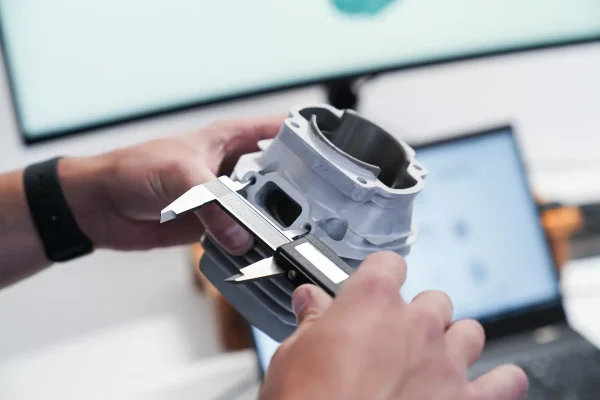
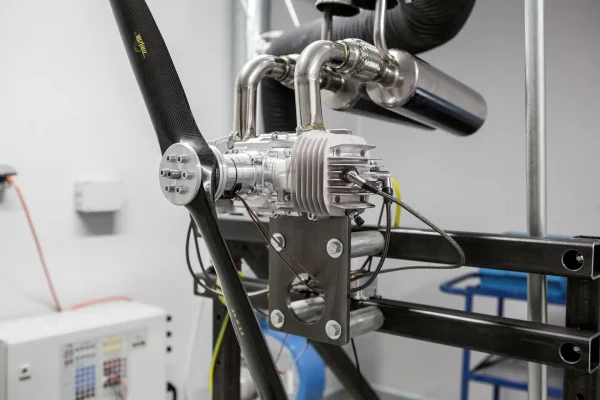
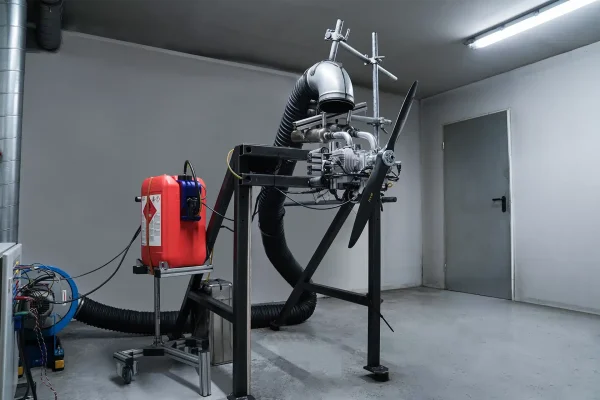
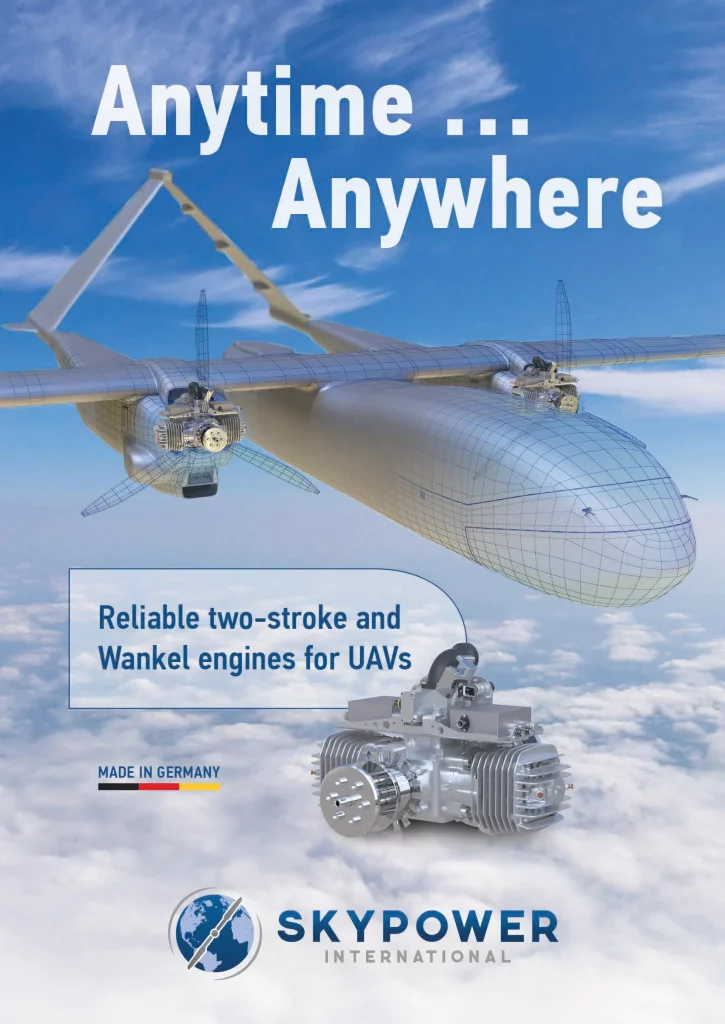
For decades, Sky Power International has been developing highly reliable UAV propulsion systems that have been consistently refined with a focus on practical applications. The engines have been tested, undergone extensive internal endurance testing, are in use in UAV platforms worldwide, offer extended TBOs compared to the competition, and impress with their fuel efficiency. The result is maximum operational reliability, predictable maintenance cycles, and the certainty of relying on precise German engineering.
Long-term security instead of short-term savings
Equipping a UAV worth tens or hundreds of thousands of euros with an undersized or insufficiently qualified propulsion system is an unnecessary risk. Investing in a proven, robustly tested propulsion system not only protects the platform, but also the manufacturer’s reputation. Anyone addressing long-term programs, demanding missions, and international markets should not compromise on the heart of their system.