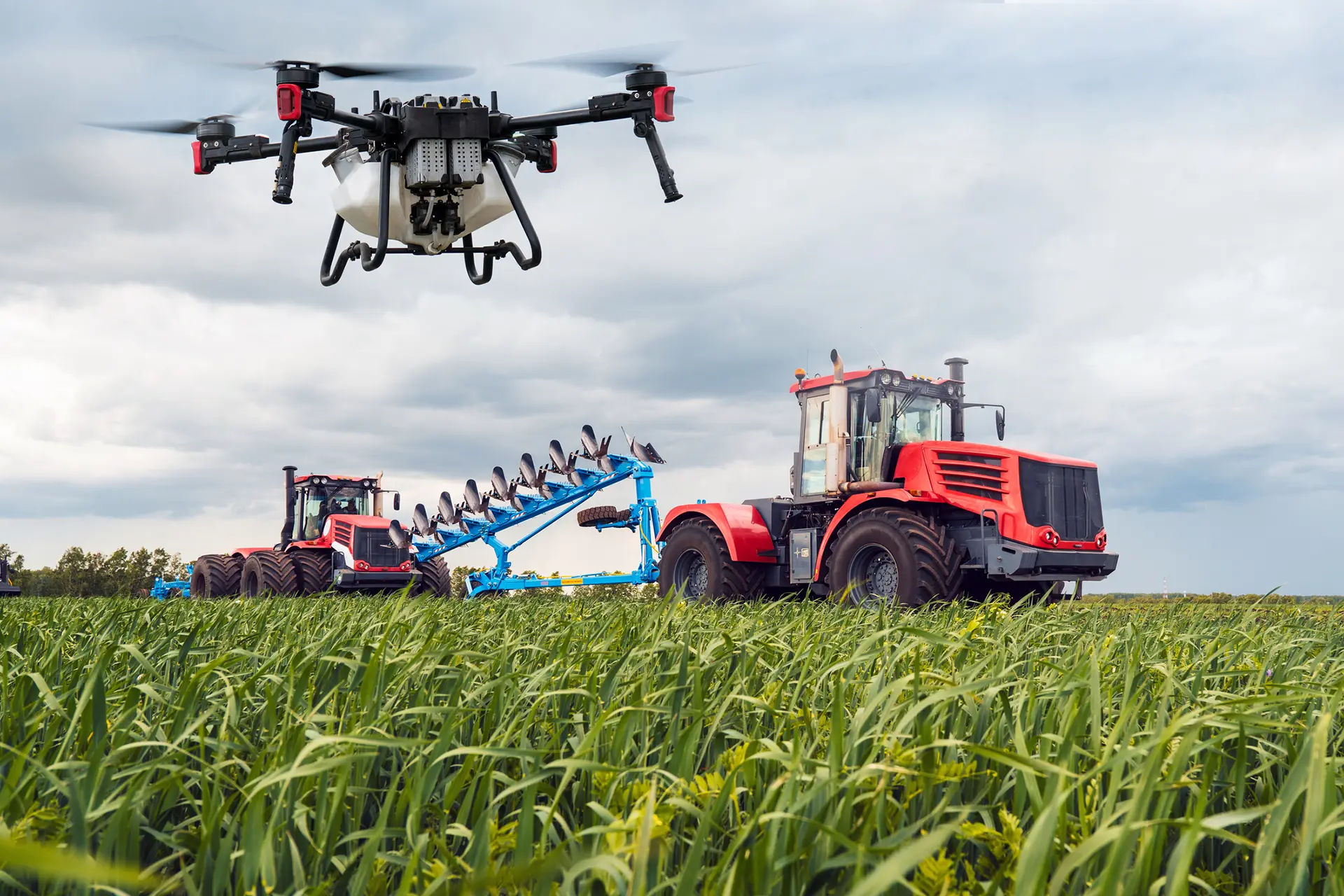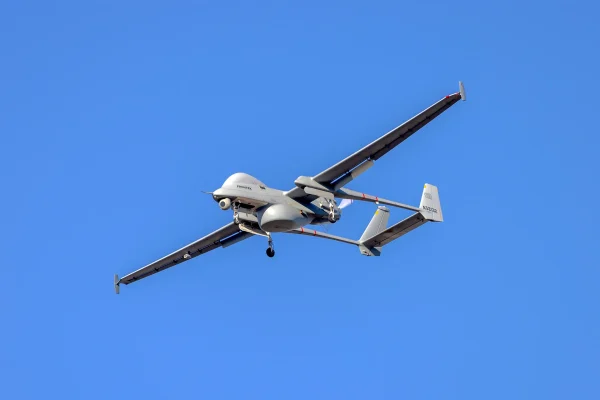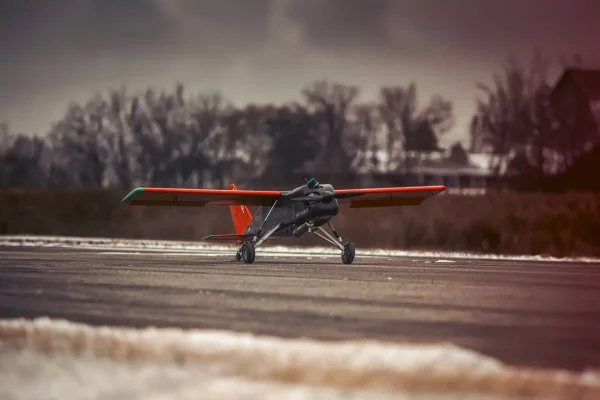

Unmanned aerial vehicles are becoming an important tool in modern agriculture. While UAVs were initially used mainly for aerial imaging and crop monitoring, professional platforms now support a much wider range of tasks, including multispectral and LiDAR surveys, precision spraying, seeding, transport and livestock monitoring.
These applications place higher demands on the complete UAV system. Payloads are increasing, missions are becoming longer and autonomous BVLOS operations require high reliability and operational availability. As a result, the propulsion system is becoming a key factor in the performance and economic viability of professional agricultural UAVs.
Our new technical paper “UAVs with combustion engines in agriculture” explains which requirements modern agricultural UAV applications place on propulsion systems today and in the future.
Why the mission profile matters
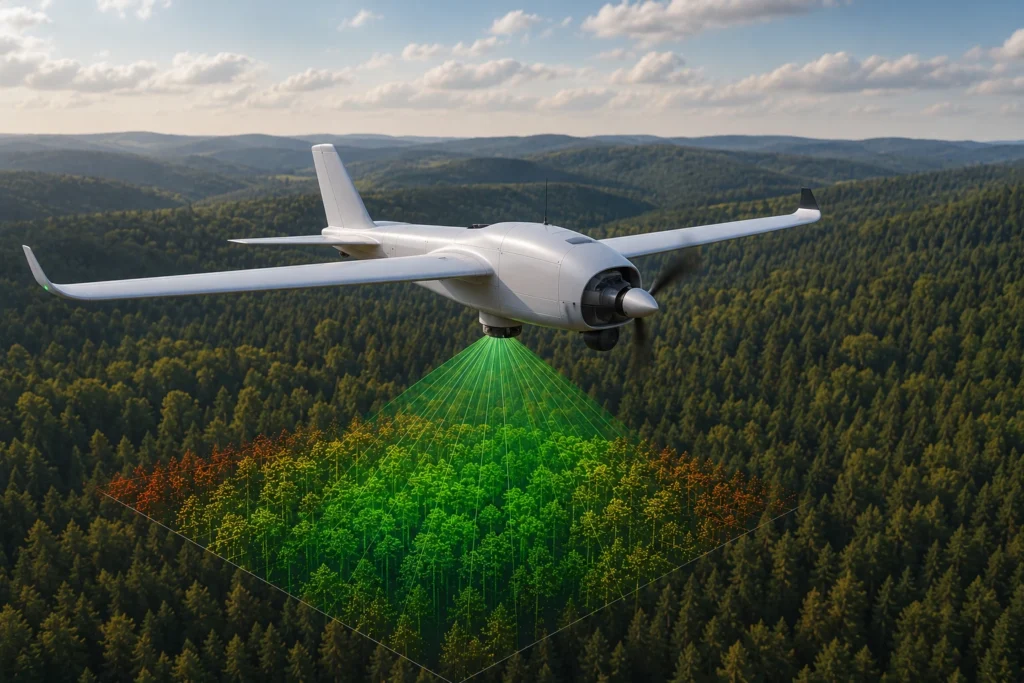
There is no single ideal propulsion system for every agricultural UAV. The decisive factor is the specific mission profile.
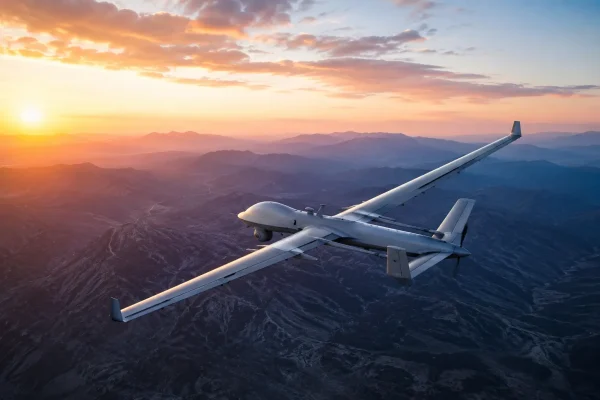
Mapping and surveying UAVs often operate for long periods at relatively constant power levels. Crop-spraying drones must handle changing loads as liquid payloads are discharged during flight. Transport UAVs require high continuous power and sufficient reserves during takeoff and climb.
The paper explains why propulsion systems should not be selected solely based on maximum power. Engine design, power reserves, efficiency, thermal management, vibration characteristics and fuel supply must be considered as part of the complete UAV system.
When combustion engines can offer advantages
Battery-electric propulsion systems are widely used in UAV applications. However, increasing payloads, longer flight times, large operational areas and intensive daily use can create requirements where combustion-engine propulsion concepts offer technical advantages.
For professional agricultural operators, short refueling times can help reduce downtime and increase daily flight performance. At the same time, sufficient power reserves are essential for reliable operation under changing environmental conditions, high temperatures, varying altitudes or strong winds.
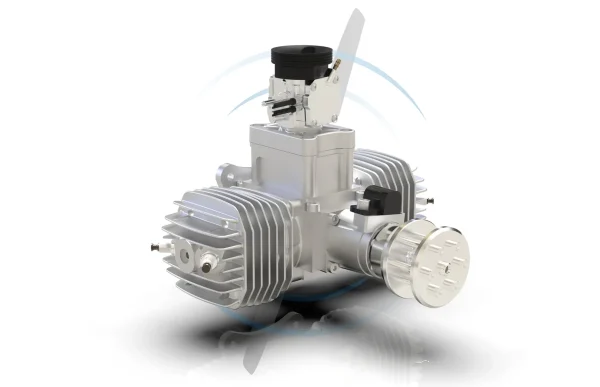
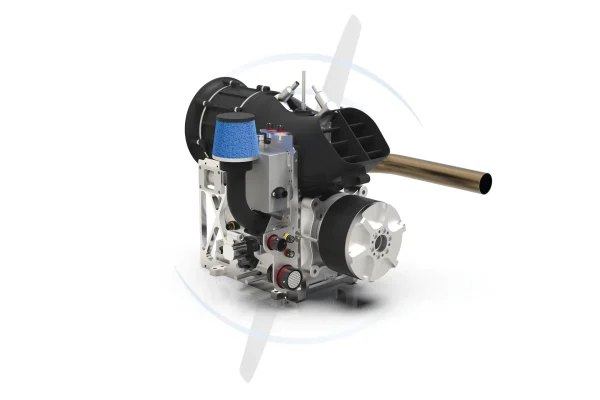
The paper also examines the requirements placed on modern two-stroke UAV engines, including power-to-weight ratio, thermal stability, vibration behavior and the influence of carburetor and electronic fuel injection systems.
The new Sky Power technical paper provides technical insights into these questions and examines the requirements that current and future agricultural UAV applications place on their propulsion systems.