
New technical paper: Hybrid UAV Propulsion Systems for Longer Missions

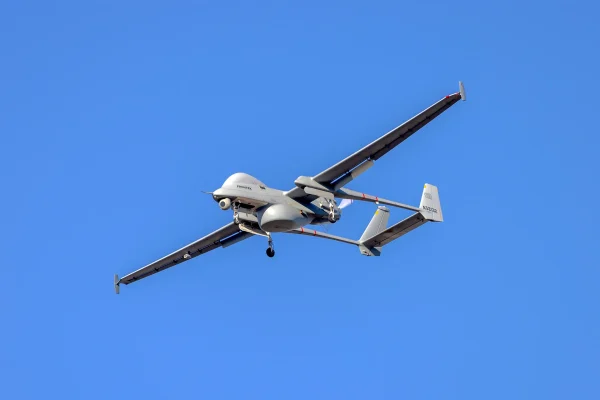
Sky Power has released a new technical paper explaining how hybrid UAV propulsion systems can extend the performance limits of electric flight platforms. The paper shows how the combination of an internal combustion engine, generator, control electronics and electric propulsion can support longer flight times, greater range and higher payload capacity.

The paper is aimed at UAV manufacturers, system integrators and technical decision-makers working on long-endurance missions, VTOL applications, ISR platforms, BVLOS operations and sensor-intensive UAV systems.

What the technical paper covers

The paper provides a compact technical overview of serial hybrid UAV propulsion systems. It explains how an internal combustion engine drives a generator instead of the propeller directly. The generated electrical energy powers the UAV’s electric motors, avionics, communication systems, payload electronics and battery storage.

This approach allows the combustion engine to operate within an efficient RPM range, while the electric propulsion system manages power delivery during takeoff, cruise, transition or landing. The result is improved energy use, reduced load fluctuations and greater flexibility in UAV system design.

Key advantages for demanding UAV missions

Hybrid propulsion can be especially valuable for applications where battery capacity alone limits mission performance. Typical use cases include:

  • VTOL UAVs with high takeoff and transition power requirements
  • ISR and surveillance missions requiring long endurance
  • BVLOS operations over large distances
  • Sensor-intensive platforms with EO/IR, LiDAR, SAR or communication payloads
  • Infrastructure inspection, pipeline monitoring and maritime reconnaissance
  • Heavy-lift drones for logistics, medical supply or disaster relief

For these applications, a hybrid system can provide longer operating times, greater range and continuous electrical power for modern onboard systems.

Download the technical paper

Learn how hybrid UAV propulsion systems combine internal combustion engines and generators to extend endurance, increase payload flexibility and support the next generation of professional UAV applications.
Dekoratives Bild
Dekoratives Bild

Fuel mixture preparation directly influences combustion stability, specific fuel consumption, load response, thermal stress and engine service life. For UAV manufacturers and system integrators, choosing the right fuel metering system is therefore an important part of propulsion system design and can affect efficiency, reliability and mission performance.

Dekoratives Bild

Electronic fuel injection is particularly suitable for long-range UAVs, BVLOS missions, high-performance platforms, hybrid propulsion systems and applications with changing environmental conditions. EFI can improve fuel efficiency, combustion stability, altitude compensation, diagnostics and telemetry integration.

Dekoratives Bild

A carburetor can be the right choice when a UAV platform requires maximum robustness, simple integration, low system complexity and predictable operating conditions. This makes carburetor-based engines especially relevant for applications where ease of maintenance, reliability and straightforward commissioning are more important than advanced digital engine control.

Dekoratives Bild

A diaphragm carburetor meters fuel mechanically and does not require sensors, control units or electronic actuators. Electronic fuel injection, also known as EFI, uses sensor data and map-based control to adjust the fuel-air mixture more precisely across different operating conditions. For UAV manufacturers, the main difference lies in system complexity, control precision, integration effort and mission flexibility.

Related news and blog articles

Published: October 2, 2026
Nimkii

New Technical Paper: How Range and Payload Shape Cargo Drone Propulsion

How do payload, range and mission profile shape cargo drone propulsion? Sky Power’s new technical paper explains the key factors behind propulsion selection.
Read more
Published: September 16, 2026
Keyende IM X

Sky Power invests in expansion of its quality assurance capabilities

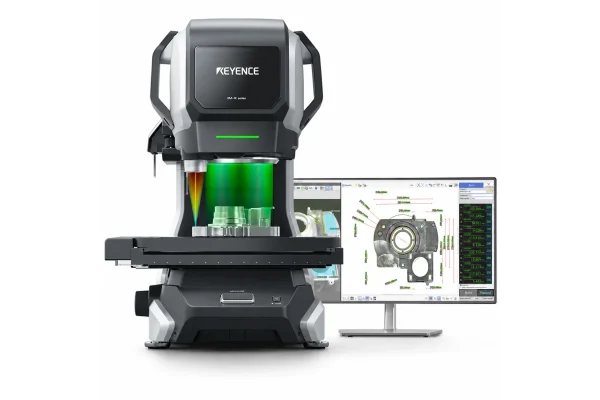
Sky Power is expanding its quality assurance capabilities with new measuring technology. Automated and reproducible component inspection enables precision-critical components to be checked from the incoming inspection stage onwards.
Read more
Published: September 3, 2026
UAVs with combustion engines in agriculture 1

New Technical Paper: UAV Propulsion Systems for Agriculture

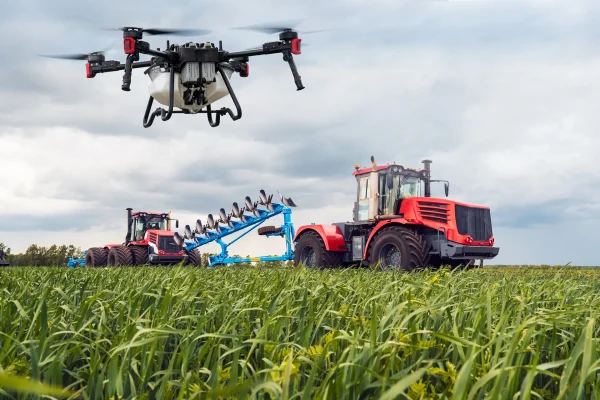
Agricultural UAVs require longer flight times, higher payloads and reliable propulsion systems. Sky Power’s new paper examines the requirements for modern UAV engines in professional agriculture.
Read more
Published: August 25, 2026
SP-110 TS (mit Rotorgraphik) News

New Technical Paper: Carburetor or Electronic Fuel Injection for UAV Engines?

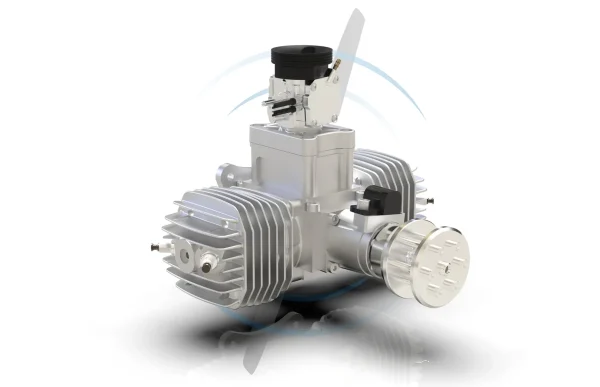
Sky Power’s new technical paper explains how carburetors and electronic fuel injection systems influence efficiency, reliability and performance in high-performance two-stroke UAV engines.
Read more
Published: July 3, 2026
Long Range UAV

New Paper: Why Long-Range UAVs Still Need Combustion Engines

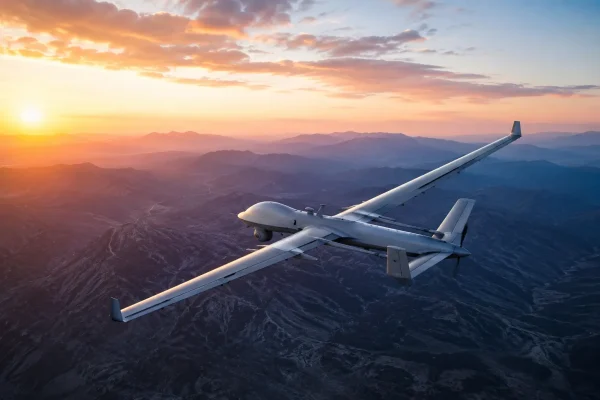
As UAV missions demand longer flight times, greater range, and higher payload capacities, combustion engines continue to offer significant advantages over battery-powered systems. Learn why internal combustion and hybrid propulsion technologies remain critical for long-endurance UAV applications.
Read more
Published: June 23, 2026
Two-Stroke vs. Wankel Engines for UAVs

New Paper: Push or Pull Configuration in UAVs – Which Approach Delivers the Best Performance?

The positioning of a UAV propeller has a significant impact on flight performance, engine cooling, sensor integration and overall system reliability. Discover the key differences between push and pull configurations in Sky Power International’s latest white paper.
Read more
Skypower brochure cover

Sky Power brochure

Download our newest brochure for free.

Please fill in the fields below to receive an E-Mail containing the brochure download link.

Company name
Full name
Email address (business)
Phone number (optional)
Country
Privacy policy
Newsletter
Position: 0
Slide to 5 to confirm you’re human.