
Reliable engine operation is essential for unmanned aerial vehicles (UAVs), particularly when missions involve long flight durations, demanding environmental conditions or critical payloads. While many factors influence the performance of a combustion engine, the spark plug plays a fundamental role in ensuring consistent ignition and efficient combustion. Over time, spark plugs are exposed to high temperatures, combustion pressure and deposits that can affect their performance. Worn or damaged spark plugs may cause starting difficulties, unstable engine operation, reduced power output or increased fuel consumption. For UAV manufacturers, operators and maintenance teams, recognizing the early signs of spark plug deterioration is an important part of preventive engine maintenance. But how can you determine when a UAV engine spark plug needs to be replaced?
1. Five warning signs that your UAV spark plug may need replacement
Spark plug problems can manifest themselves in different ways depending on engine type, operating conditions and the extent of wear. The following symptoms may indicate that a spark plug requires inspection or replacement.
If a UAV combustion engine becomes increasingly difficult to start, a worn or contaminated spark plug may be responsible. Deposits on the electrodes, an incorrect electrode gap or damaged insulation can interfere with reliable spark generation. However, starting problems may also originate from the fuel system, ignition electronics or other engine components. A systematic diagnosis is therefore important before replacing parts.
An engine that runs unevenly at idle or experiences irregular speed fluctuations may be suffering from intermittent ignition. A defective spark plug can cause incomplete combustion or misfires, resulting in unstable engine operation. For UAV propulsion systems, stable engine behavior is particularly important during startup, ground testing and transitions between operating conditions.
A noticeable reduction in engine performance can be another indication of spark plug deterioration. If the spark plug cannot reliably ignite the fuel-air mixture, combustion may become inconsistent, potentially reducing engine output. This can be particularly relevant for UAV applications that require dependable power delivery during takeoff, climbing or operation with heavy payloads.
A worn or contaminated spark plug may contribute to incomplete combustion and reduced engine efficiency. Under certain conditions, this can result in higher fuel consumption and negatively affect UAV endurance. Because fuel efficiency is a key parameter in long-range and long-endurance UAV missions, unexpected changes in fuel consumption should be investigated.
Repeated misfires, irregular engine operation or unusual exhaust noises may indicate ignition problems. Possible causes include worn electrodes, carbon deposits, damaged spark plugs or faults elsewhere in the ignition system. For professional UAV operations, persistent misfiring should be investigated before the aircraft returns to service.
2. What does the condition of a spark plug reveal?
Visual inspection of a removed spark plug can provide useful information about combustion conditions and engine health. The appearance of the electrodes, insulator and spark plug housing can help maintenance technicians identify potential problems.
Black or carbon-fouled spark plugs
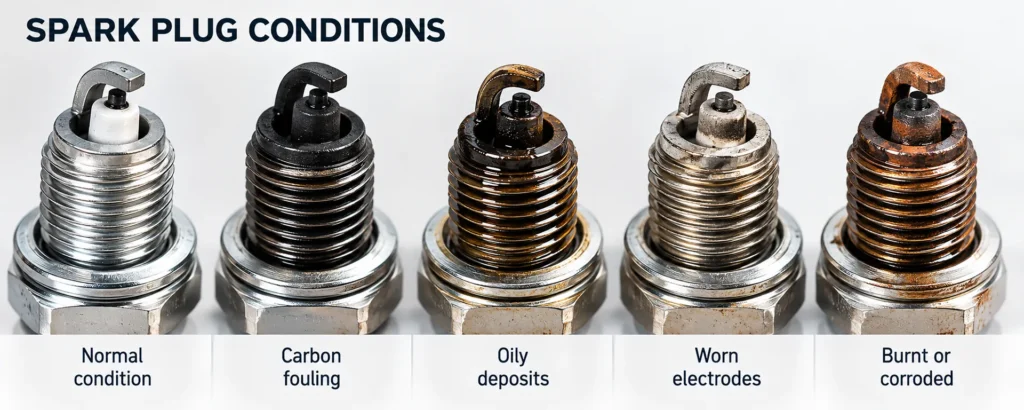
Dry black deposits on the electrodes or insulators may indicate carbon fouling.
Potential causes include:
- An excessively rich fuel-air mixture
- Extended operation at low engine temperatures
- Incomplete combustion
- Incorrect spark plug heat range
- Ignition or fuel-system problems
Carbon deposits can create conductive paths that interfere with reliable ignition.
Oily spark plugs
Wet or oily deposits may indicate excessive oil contamination in the combustion chamber or problems associated with the fuel and lubrication system. For two-stroke UAV engines, the fuel-oil mixture and operating conditions must also be considered when interpreting spark plug deposits. Oily deposits can interfere with spark generation and may indicate that further engine inspection is necessary
Worn electrodes and increased electrode gap
During engine operation, repeated electrical discharges gradually wear the spark plug electrodes. As the electrodes deteriorate, the gap may increase, requiring a higher voltage to generate a spark. If the ignition system can no longer provide sufficient voltage under operating conditions, misfires or starting difficulties may occur. The electrode gap should therefore be checked against the engine manufacturer’s specifications.
Burnt or corroded electrodes
Excessively worn, overheated, melted or severely corroded electrodes indicate that the spark plug is no longer in acceptable condition. Possible underlying causes include abnormal combustion temperatures, incorrect ignition settings, unsuitable spark plug specifications or fuel-mixture problems. A damaged spark plug should be replaced, and the cause of abnormal wear should be investigated.
Cracked ceramic insulators or damaged housing
Visible cracks in the ceramic insulator, damaged threads or deformation of the spark plug housing are clear reasons for replacement. Such damage can compromise electrical insulation, sealing or mechanical integrity. Damaged spark plugs should never be reused in a UAV combustion engine.
3. How often should UAV engine spark plugs be replaced?
There is no universal replacement interval that applies to every UAV combustion engine. The appropriate maintenance schedule depends on several factors, including:
- Engine model and manufacturer specifications
- Spark plug type and heat range
- Operating hours and engine load
- Fuel and lubrication characteristics
- Operating temperatures and environmental conditions
- Engine starting frequency and mission profile
For professional UAV operations, spark plug inspections should be integrated into the engine’s scheduled maintenance program. Operators should follow the inspection and replacement intervals specified in the relevant engine documentation. A spark plug may also require earlier replacement if abnormal wear, contamination or ignition problems are detected.
A spark plug that appears visually acceptable may still have electrical or thermal defects. Visual inspection should therefore be combined with the appropriate maintenance and diagnostic procedures.
4. Why preventive spark plug maintenance matters for UAV operations
Unlike many ground-based combustion engine applications, UAV propulsion systems operate in environments where an unexpected engine failure can have serious operational consequences. A seemingly minor ignition problem may affect engine performance, mission completion or aircraft safety. Preventive spark plug maintenance helps operators identify potential problems before they develop into more significant engine faults.Regular inspection and timely replacement of worn spark plugs help maintain reliable ignition and consistent engine operation.
Identifying deteriorating spark plugs during scheduled maintenance can reduce the likelihood of ignition-related interruptions during UAV operations.
Correctly specified and properly functioning spark plugs support reliable combustion and stable engine output across the intended operating range.
Documenting spark plug condition, operating hours and replacement history can help maintenance teams identify recurring problems and improve their maintenance procedures.
For UAV fleet operators, this information can contribute to more structured and predictable maintenance activities.
5. How to select the correct spark plug for your UAV engine
Not every spark plug is suitable for every combustion engine. Selecting the correct replacement component requires consideration of several technical parameters.
These include:
The spark plug must be capable of operating within the intended temperature range without excessive fouling or overheating.
The gap must correspond to the engine and ignition system specifications.
Incorrect dimensions can prevent proper installation or cause mechanical damage.
The spark plug must be compatible with the engine's ignition system, including any specified resistance requirements.
Replacement spark plugs should match the specifications defined for the particular engine model. Using an unsuitable spark plug can affect ignition performance and potentially damage the engine.
For this reason, UAV operators should always refer to the manufacturer’s technical documentation when selecting replacement parts.
6. Sky Power International: Reliable maintenance for UAV combustion engines
Sky Power International offers combustion engine solutions and maintenance components for professional UAV applications. Regular inspection and replacement of consumable components are essential elements of maintaining engine performance and operational reliability. In addition to selecting a suitable propulsion system, UAV manufacturers and operators should establish maintenance procedures that reflect the engine’s operating conditions and mission requirements.
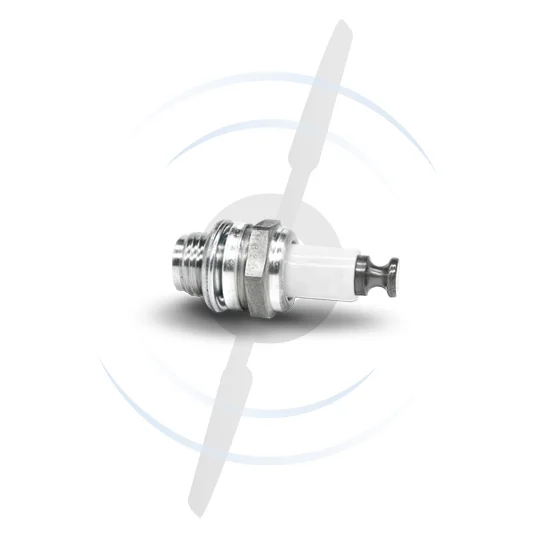
Sky Power supports this approach by providing access to relevant engine components and consumables, including replacement spark plugs. The NGK CM-6 spark plug is available through the Sky Power online store for compatible engine applications. Compatibility should always be verified against the specifications of the respective engine model.
Twin-spark ignition: Enhanced reliability for UAV engines
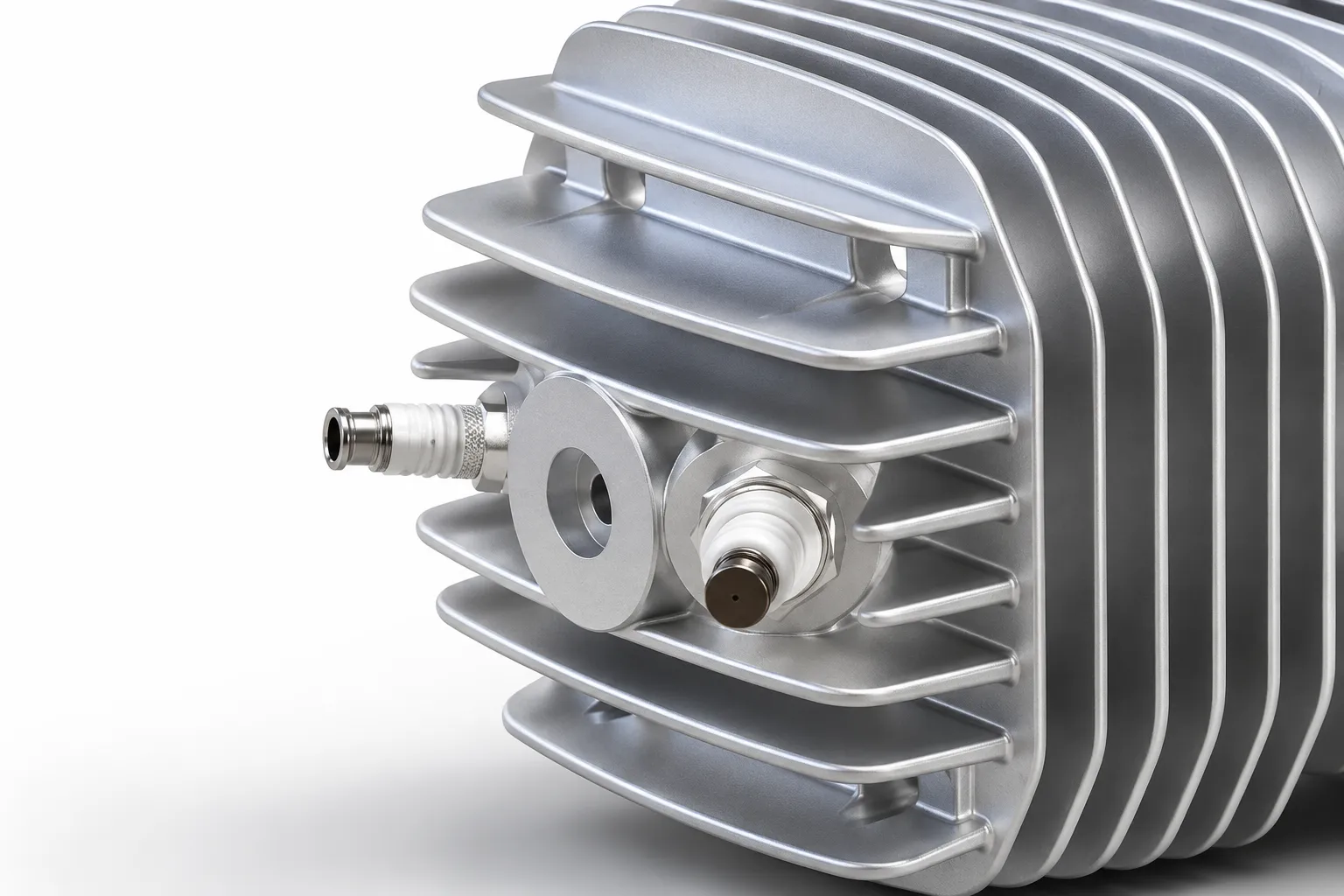
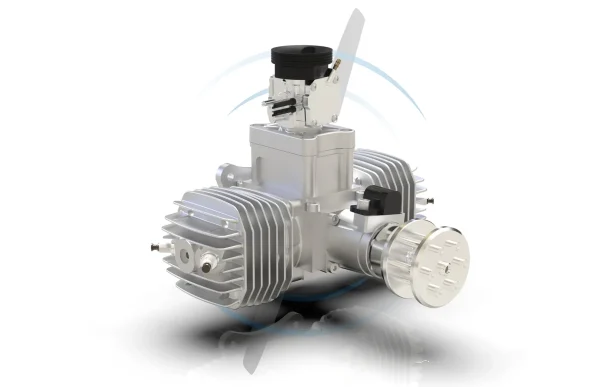
Sky Power International’s Twin-Spark ignition technology uses two spark plugs per cylinder to support more reliable combustion and improve ignition redundancy. The dual-ignition concept can contribute to more consistent engine operation, particularly in demanding UAV applications where propulsion reliability is critical. However, both spark plugs must be regularly inspected and maintained to ensure optimal performance. Worn or defective spark plugs can compromise the benefits of the Twin-Spark system, making preventive maintenance particularly important for mission-critical UAV operations.
Discover suitable replacement components, including spark plugs, and explore the Sky Power International online store for UAV engine maintenance supplies.